
Top Signs Your Roof Needs a Replacement Before It’s Too Late
January 30, 2026

A home’s roof is more than just a protective covering; it is a critical barrier that shields your property from harsh weather, moisture intrusion, and energy loss. Despite its essential role, many homeowners overlook the gradual wear and tear that can compromise a roof’s effectiveness. Identifying the signs that indicate a roof needs replacement is vital, not just to prevent costly repairs but also to ensure the safety and longevity of your home. Understanding these signs early allows homeowners to make informed decisions, prioritize maintenance, and avoid potential structural damage that could escalate over time.
Unfortunately, many property owners delay roof replacement until visible damage or severe leaks occur, by which point repair costs can skyrocket. A proactive approach, however, can save significant time, money, and stress. Recognizing subtle warning signs—ranging from missing shingles and water stains to sagging structures and excessive granule loss—can make all the difference. This blog explores the top indicators that your roof may need a replacement, providing actionable insights, real-world examples, and professional guidance to help homeowners act before minor issues evolve into major problems.
Water Damage and Leaks
Ceiling and Attic Water Stains
Water stains on ceilings or attic walls are classic indicators of a failing roof and should never be ignored. Even minor leaks can compromise structural integrity, leading to long-term damage if left unaddressed. If you notice discoloration, damp patches, or peeling paint indoors, it’s crucial to inspect your roof promptly and identify the source of water infiltration. Early detection prevents further damage to insulation, drywall, and personal belongings, saving homeowners from expensive repairs while maintaining a safe living environment.
Mold and Mildew Growth
Moisture accumulation under roofing materials encourages mold and mildew growth, which not only damages the roof structure but also poses serious health risks for occupants. If your attic or upper floors exhibit unusual odors, visible mold, or musty smells, it may indicate that water is seeping through compromised areas of your roof unnoticed. Professional assessment is essential in these scenarios to determine if replacement is necessary or if repairs alone can effectively address the problem, ensuring both the roof’s longevity and indoor air quality.
Persistent Dripping During Rain
Occasional leaks may be manageable, but persistent dripping or pooling water during rainstorms signals serious roof deterioration that should not be ignored. Ignoring these signs can lead to rotted rafters, sagging ceilings, and significant repair costs that escalate quickly. Regular inspections, combined with immediate attention to repeated leaks, help homeowners identify the source of water intrusion and make informed replacement decisions before structural damage becomes severe and more expensive to resolve.
Visible Shingle Damage
Roof Age and Material Degradation
Understanding Lifespan of Roofing Materials
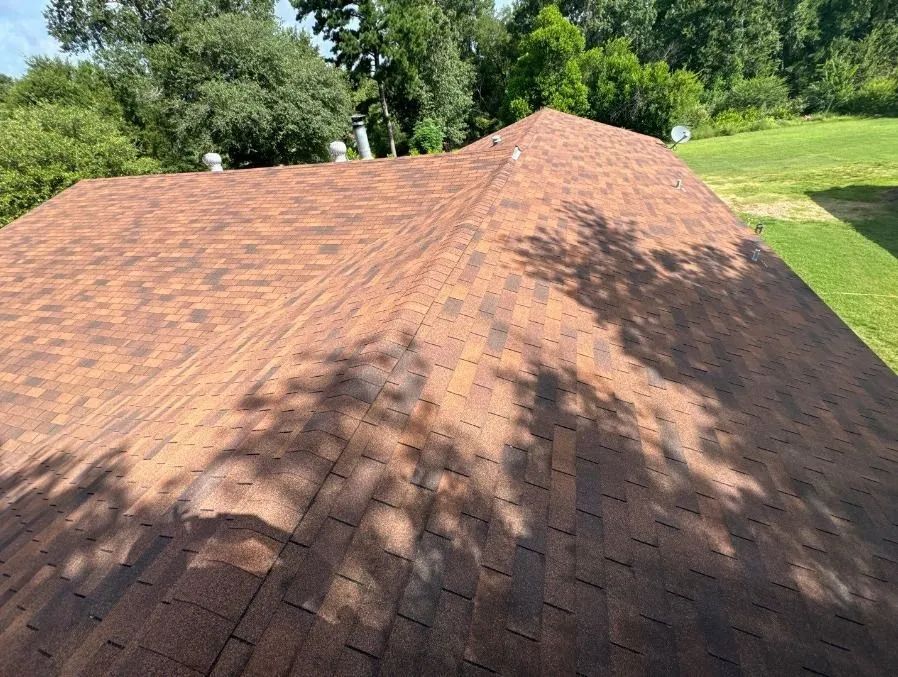
Different roofing materials have varying lifespans that homeowners should monitor closely. Asphalt shingles typically last 20–25 years, while metal roofs can endure 40–70 years depending on maintenance and environmental conditions. Aging roofs become less effective at repelling water, resisting wind, and withstanding temperature fluctuations over time. Homeowners should be aware of their roof’s age and consider replacement if it approaches or exceeds the expected lifespan, even in the absence of visible damage, to prevent sudden failure and costly emergencies.
Signs of Material Fatigue
Older roofs often exhibit subtle signs of material fatigue, such as brittle shingles, sagging under load, or thinning of roofing layers that compromise performance. These issues may not be immediately visible from ground level but can significantly weaken the overall roof structure. Professional inspections can detect these weakened areas early and recommend whether full roof replacement is necessary, helping homeowners avoid emergency situations and protect both their property and financial investment.
Cost-Benefit of Early Replacement
While repairing an aging roof may seem cost-effective initially, frequent maintenance expenses can accumulate over time, often surpassing the cost of full replacement. In many cases, a proactive roof replacement proves more economical in the long term, preventing repeated minor repairs and enhancing overall property value. Taking action early ensures a stronger, longer-lasting roof, providing homeowners with peace of mind and reducing the risk of sudden, expensive emergency repairs during severe weather events.
Structural Issues
Sagging Roof Deck
A sagging roof is one of the most alarming signs of structural compromise and requires immediate attention. It may result from prolonged water damage, excessive weight from accumulated debris, or deteriorating support beams weakened over time. If left unaddressed, sagging can lead to partial collapses, severe leaks, and costly interior damage. Homeowners noticing uneven roof lines or sagging areas should seek professional evaluation immediately to avoid escalating safety hazards and protect their home’s structural integrity.
Gutter Damage and Overflow
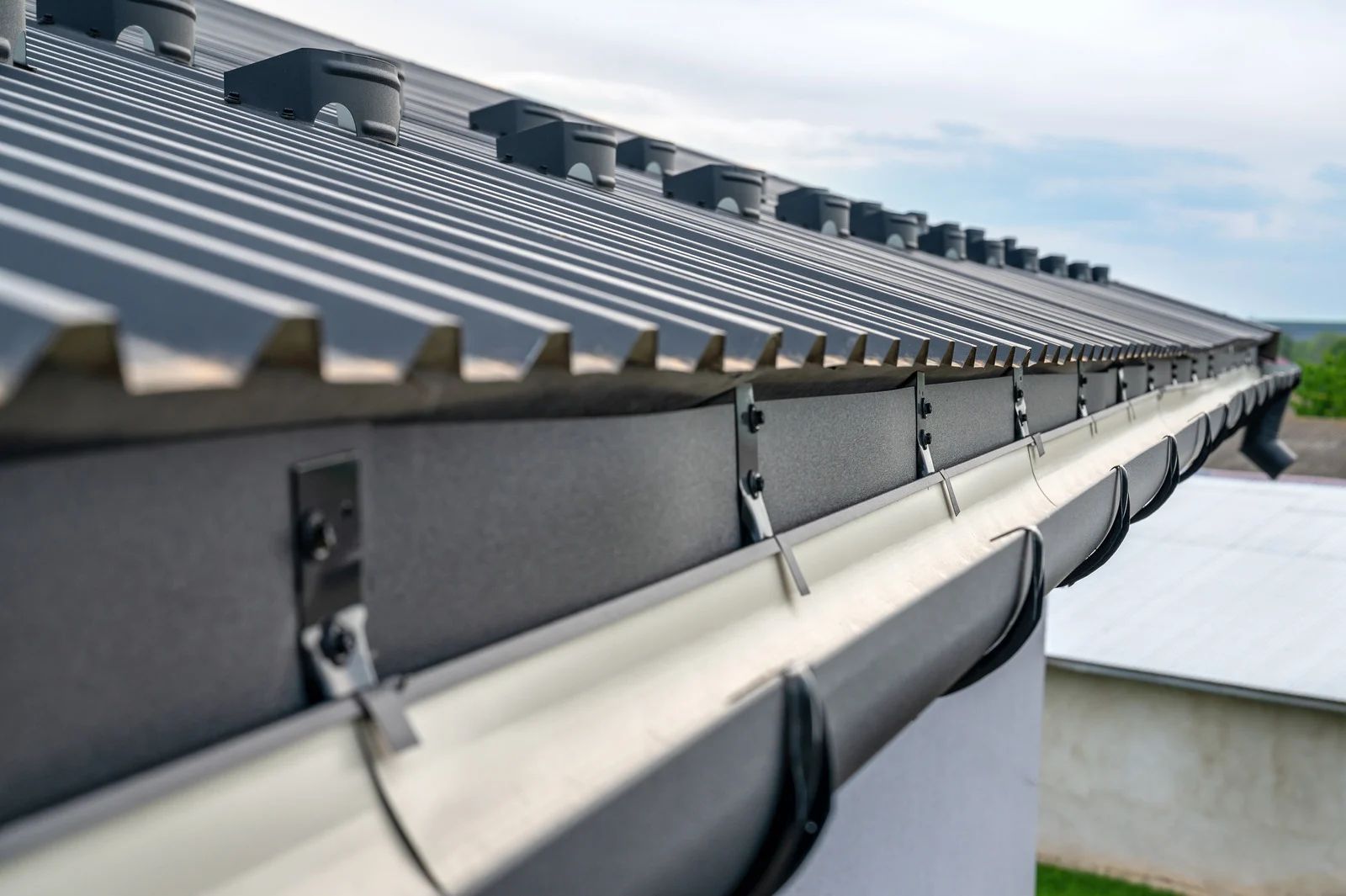
Improper water drainage can strain both the roof and the gutter system, contributing to accelerated wear. If gutters frequently overflow, show signs of warping, or detach from the roofline, it may indicate that the roof is failing to channel water effectively. Water pooling near the roofline can further damage roofing materials, siding, and foundations. Replacing the roof while upgrading drainage systems often resolves these interconnected issues and improves overall home protection.
Roof Valleys and Flashing Problems
Roof valleys and flashings play a critical role in directing water away from vulnerable areas like joints, chimneys, and skylights. Damaged, corroded, or improperly installed flashing often leads to water infiltration and can exacerbate leaks. Persistent issues in these areas usually indicate a need for roof replacement, as patching alone may not provide a long-term solution, leaving the home at risk for ongoing water damage and structural weakening.
Professional Assessment and Preventive Practices
Scheduling Regular Roof Inspections
Even if no visible damage exists, annual professional inspections can identify hidden issues such as subtle leaks, worn underlayment, or compromised structural supports before they become major problems. Inspections provide homeowners with actionable data to make informed decisions about repair or replacement, helping avoid emergency situations. Proactive inspections ensure that minor issues are addressed early, extending the life of the roof and protecting the home’s value.
Choosing Quality Materials and Contractors
Investing in high-quality roofing materials and skilled installation ensures durability, performance, and reduces the likelihood of premature failure. Contractors should be licensed, insured, and experienced in both residential and commercial roofing to deliver reliable results. Proper installation mitigates problems like improper flashing, poor ventilation, or misaligned shingles, ensuring the roof performs optimally for years to come. Choosing trusted professionals is key to a successful long-term investment.
Documenting and Planning for Replacement
Maintaining detailed records of past repairs, material warranties, and inspection reports helps homeowners plan timely replacement and make informed budgeting decisions. Early planning allows for selecting suitable materials, scheduling work during favorable weather, and avoiding emergency replacements. Being proactive reduces stress, protects the home’s structural integrity, and ensures the new roof will provide long-lasting protection and value for years to come.
Dependable Roofing Solutions Crafted by Skilled Professionals
Recognizing the signs that your roof needs replacement is critical for protecting your home, maintaining energy efficiency, and avoiding costly structural damage. From visible shingle deterioration and water leaks to age-related material fatigue and energy inefficiencies, proactive attention can prevent minor issues from escalating into major problems. Understanding these warning indicators, coupled with regular inspections and professional guidance, empowers homeowners to make informed decisions and safeguard their investment.
At Nichols Roofing & Construction, based in Rusk, Texas, we have spent over a decade helping homeowners identify roofing concerns before they become emergencies. With 10
years of experience, our team combines technical expertise, high-quality materials, and a commitment to customer satisfaction to deliver reliable, long-lasting solutions. Whether it’s a routine inspection, maintenance, or
full roof replacement, Nichols Roofing & Construction provides trustworthy guidance and professional service tailored to each home’s unique needs. When it comes to roof replacement, partnering with experienced professionals ensures peace of mind and protection for years to come.